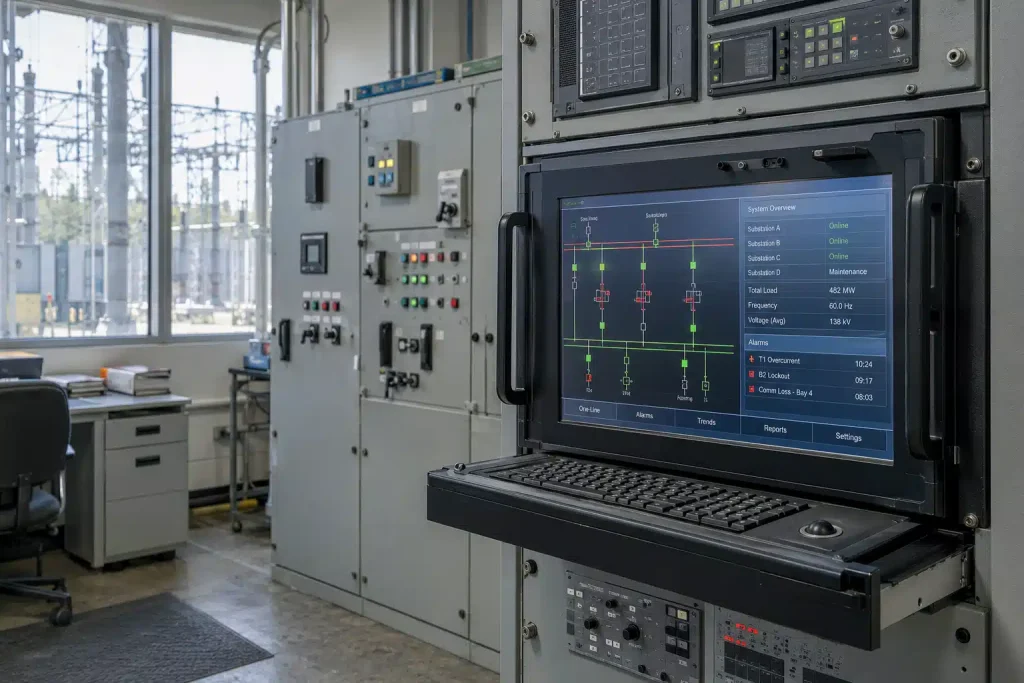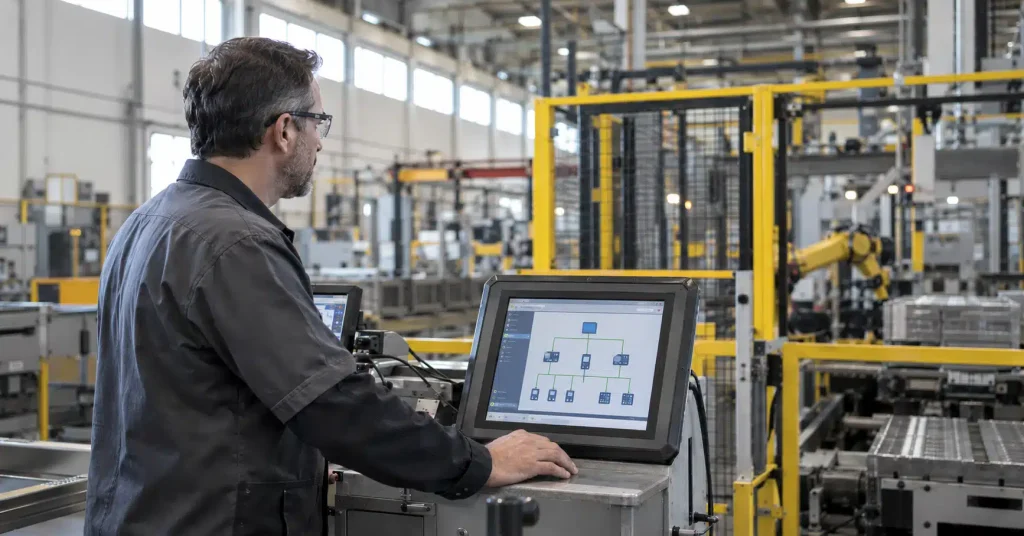
It’s been a hectic few years. And the pharmaceutical industry certainly felt the impact. From COVID-19 to growing and evolving global demands, manufacturers in the field have had a lot to deal with. In turn, they are investing more and more in smart manufacturing technologies, which provide benefits including greater efficiency and visibility. As this digital transformation expands, here are some trends likely to stem from it.
The Progression of Tech Innovations
Digital solutions will continue to advance in order to support the arising challenges and shifting nature of the pharmaceutical manufacturing sector. According to a piece published by Pharmaphorum, functions are already being improved by enhancements in process analytical technology (PAT), which assists data streams, and asset performance management (APM) solutions, which are helpful for maintenance.
Another major innovation is AI. As Pharmaceutical Technology reports, the industry has been making significant strides in the adoption of this tech. One firm’s survey concluded that over half of the respondents said they are implementing AI strategies. On top of that, GlobalData estimates that AI revenues in the pharmaceutical, medical, and healthcare sectors will reach nearly $21 billion by 2025.
Regulators and the Move Toward Industry 5.0
Regulators are studying the same tools. The United States Food and Drug Administration’s Center for Drug Evaluation and Research sees potential for AI to advance pharmaceutical manufacturing. Its discussion paper seeks insight that could serve policy development, and asks which AI functions experts in the field are looking to. The center also wants input on how current regulations may affect implementation, what practices exist for validating and managing AI models, and what its own paper is missing.
Investment has moved alongside that interest. Claire Rychlewski reported for Axios that Apprentice.io, a cloud-based platform for pharmaceutical manufacturing, raised $65 million. Heather Coglaiti and Dan UpDyke, writing in Contract Pharma, posit that AI will play an important role as the sector enters Industry 5.0. Industry 4.0 produced Pharma 4.0, defined by better data quality and visibility through AI and machine learning. The European Union has determined that 5.0 will use those gains for a more environmentally conscious, sustainable, human-centric and resilient industry.
A benefit of that shift is a closer working relationship between teams and the technology they run. Where a plant integrates reliable AI that simplifies manufacturing, operators can attend to new developments in production. A useful first step is recording how each model is validated, who manages it, and which systems hold its data.
The Rising Importance of Cybersecurity
While tech such as AI advances and receives greater financial support, it is also going to fuel the need for better cybersecurity in pharmaceutical manufacturing. IBM Security’s annual Cost of a Data Breach Report stated that a cyberattack can cost a healthcare organization around $10.1 million on average.
There have been moves within the larger healthcare field to address this. For instance, the FDA and the Office of Digital Transformation released its Cybersecurity Modernization Action Plan. Plus, the global pharmaceutical industry reportedly experienced a 30% growth in cybersecurity job postings in the third quarter of 2022. But there is definitely room to further build out this prioritization of cybersecurity. IBM also concluded in their report that “that technology-based security solutions can help reduce the cost of data breaches,” as put by Fierce Healthcare.
DYNICS is here to help you integrate such solutions into your pharmaceutical manufacturing operations in 2023. Please contact our team with any questions about our products, resources and more.
Sources
- “Pharma manufacturing can digitalise its way round the next crisis” – Chuck Miller, Pharmaphorum
https://pharmaphorum.com/views-and-analysis/pharma-manufacturing-can-digitalise-its-way-round-the-next-crisis - “2022 in review: Regulation starts to catch up with AI in pharma” – Akousa Mireku, Pharmaceutical Technology
https://www.pharmaceutical-technology.com/features/2022-in-review-regulation-starts-to-catch-up-with-ai-in-pharma/ - “Who’s hiring who? Hiring activity related to cybersecurity increased by 30% in the pharmaceutical industry in Q3 2022” – Pharmaceutical Technology
https://www.pharmaceutical-technology.com/dashboards/jobs/cybersecurity-hiring-pharmaceutical-industry-q3-2022/ - “Healthcare data breach costs reach record high at $10M per attack: IBM report” – Heather Landi, Fierce Healthcare
https://www.fiercehealthcare.com/health-tech/healthcare-data-breach-costs-reach-record-high-10m-attack-ibm-report - “FDA calls for comments on artificial intelligence in drug manufacturing” – DLA Piper, Lexology
https://www.lexology.com/library/detail.aspx?g=e4b968d8-2d5c-4780-962a-607b6859007a - “Apprentice.io raises $65M for life sciences manufacturing” – Claire Rychlewski, Axios
https://www.axios.com/pro/health-tech-deals/2023/03/20/apprenticeio-65m-life-sciences-manufacturing - “How Industry 5.0 Might Benefit Pharmaceutical Manufacturing” – Heather Coglaiti & Dan UpDyke, Contract Pharma
https://www.contractpharma.com/exclusives/how-industry-50-might-benefit-pharmaceutical-manufacturing/
Learn about DYNICS’ ICS360.Defender, an industrial control system security platform.