Energy Cybersecurity and Industrial Computing
Securing smart grids, renewable generation, and energy storage
Energy cybersecurity starts on the equipment that runs the grid
Energy cybersecurity now sits alongside uptime as a board level concern for utilities and independent power producers. Attacks on operational technology, the OT systems that run substations, generation plants, and storage sites, can hold output offline for days while regulators ask which controls were in place. Dynics builds both halves of that problem in one building. The industrial computers that sit in the enclosure and the OT security that watches the traffic between them are designed, fabricated, and assembled in Ann Arbor, Michigan.
Real Time Control and Data Analysis
Driving Efficiency and Reliability
in the Energy Sector
Dynics Solutions for Smart Grids and Renewable Energy
Our Dynics products are used in managing smart grids, monitoring renewable energy sources, and optimizing energy storage solutions. They deliver accurate control and real time data analysis, which is critical for maintaining stable energy supplies and integrating renewable energy into the grid.
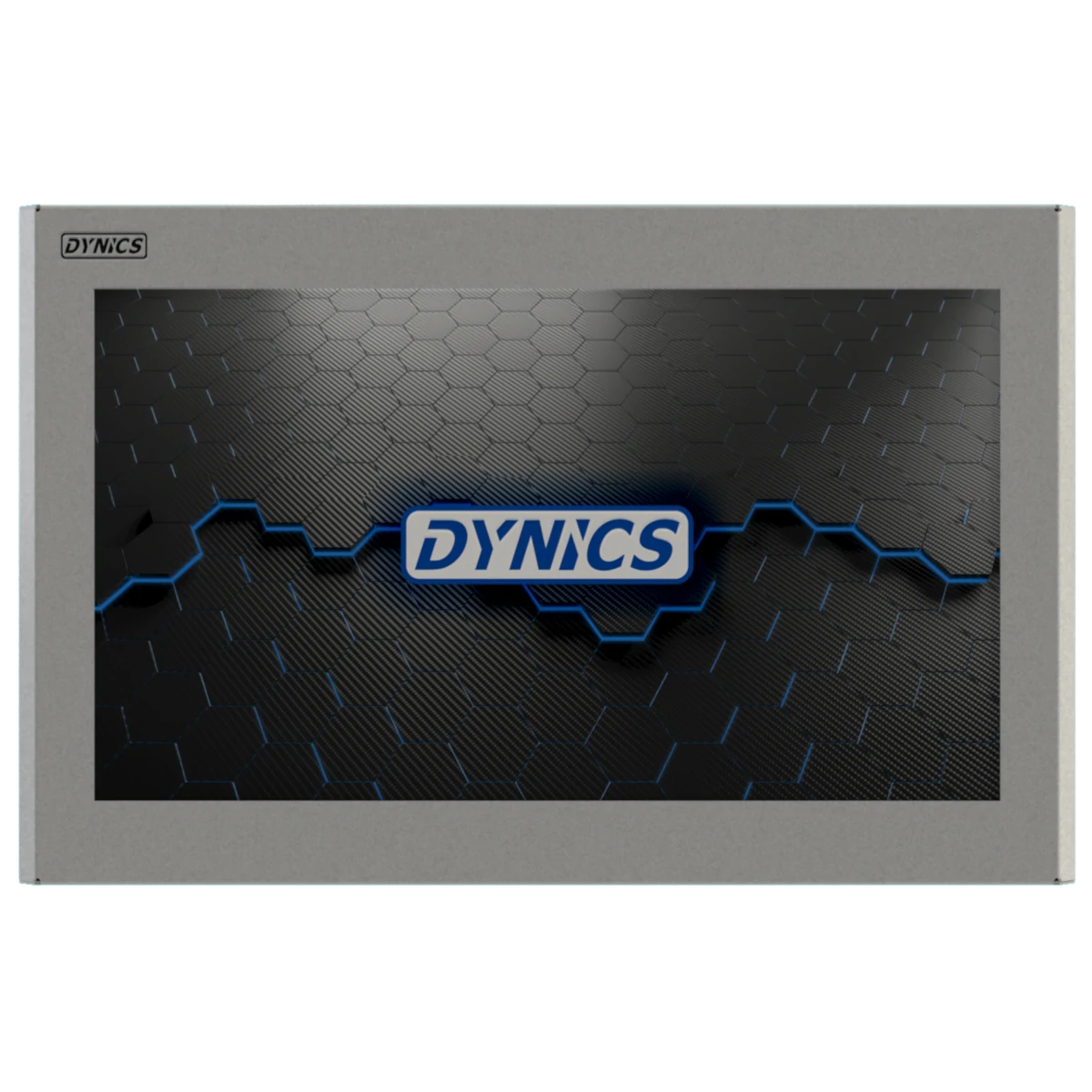
Dynics industrial computers hold up in the energy sector, where they support the efficiency and reliability of daily operations.
Hardware


OT security, networking and software

What goes into an energy or utility deployment
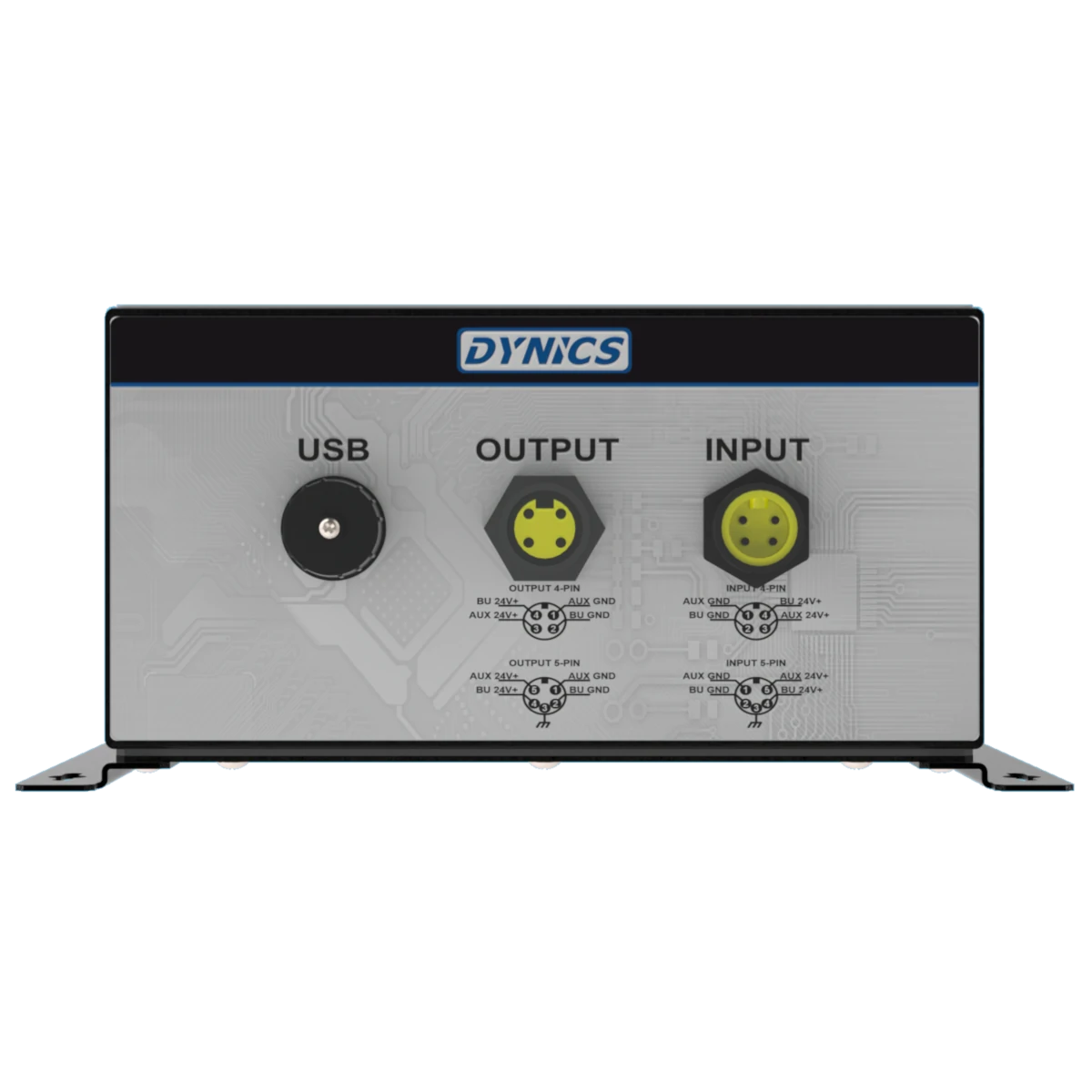
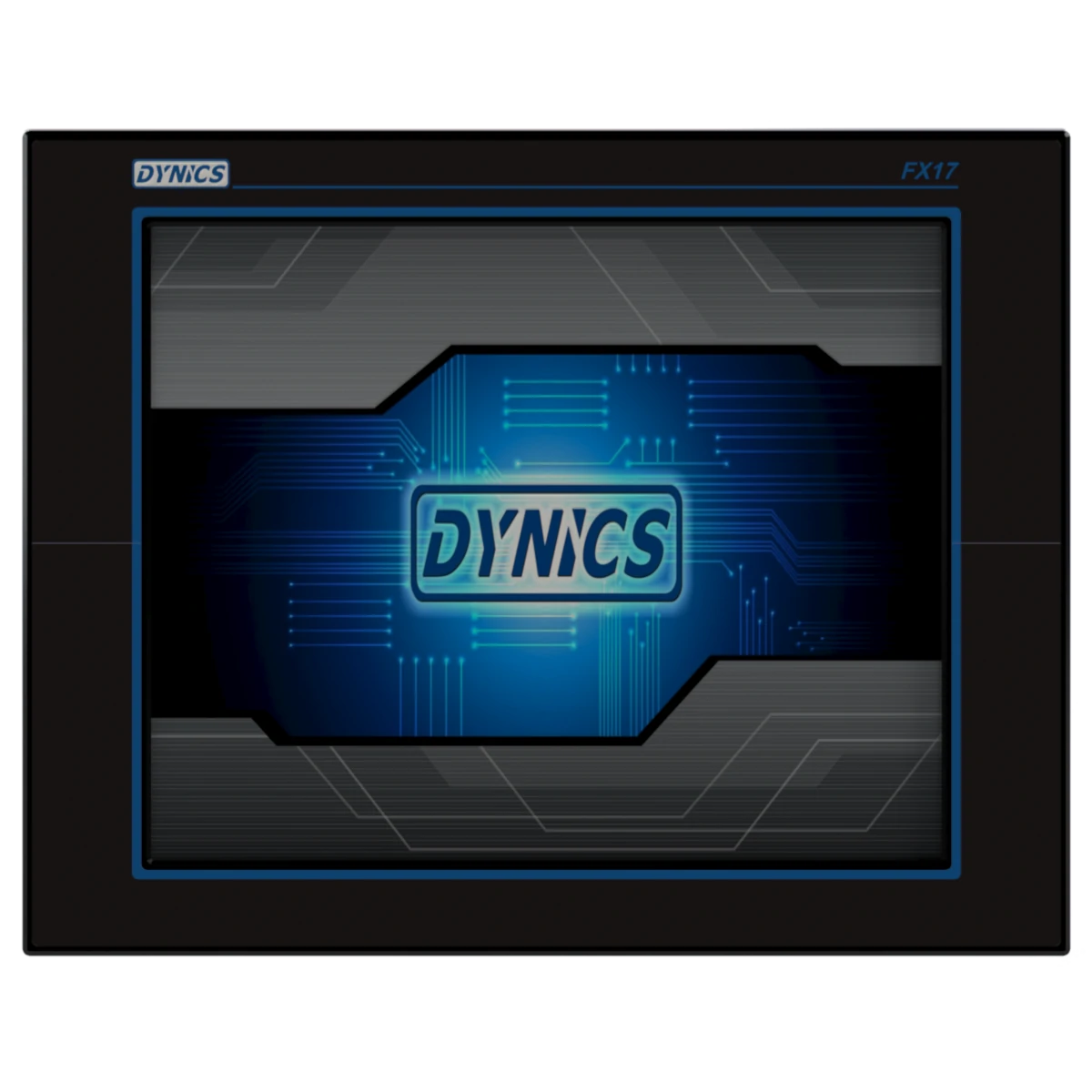
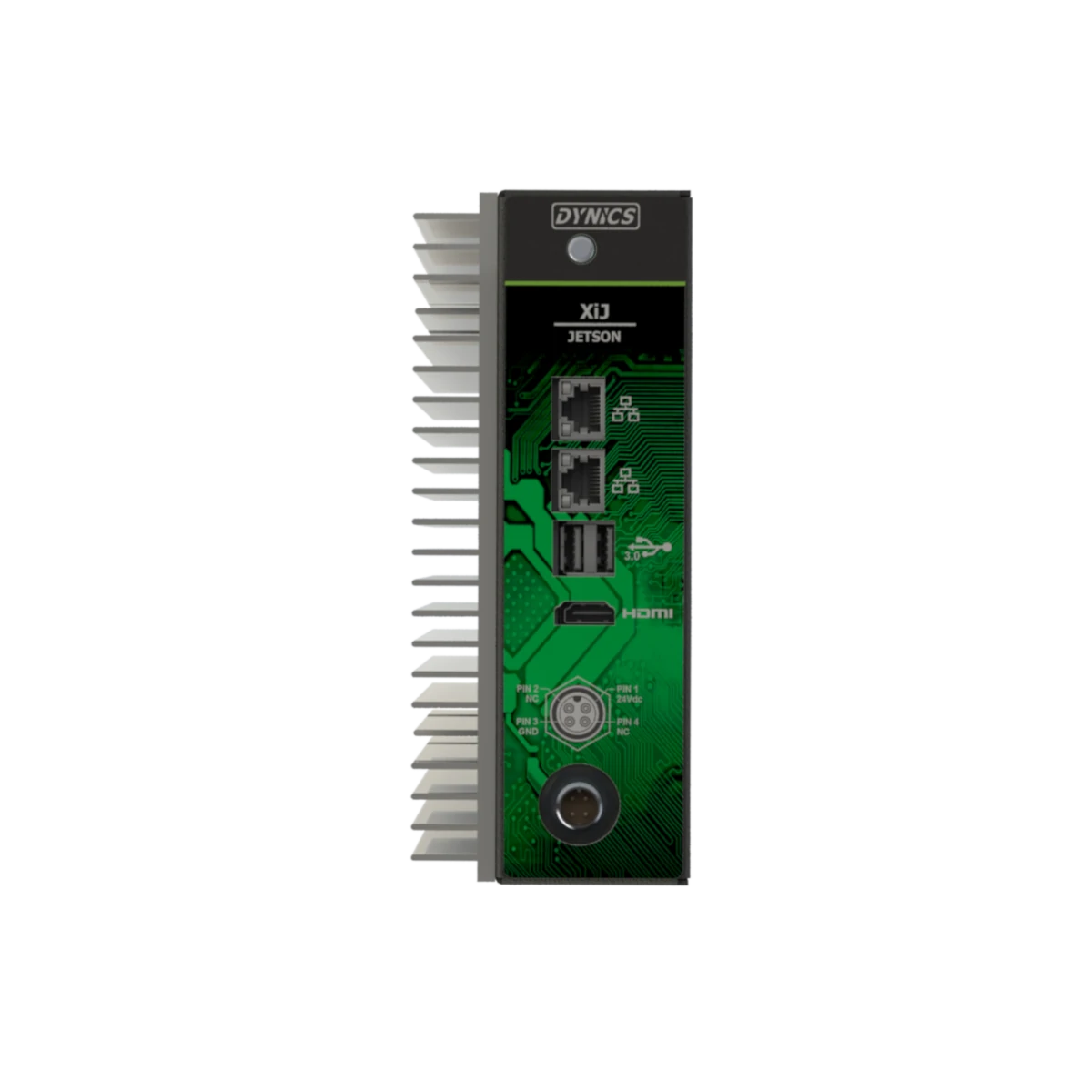
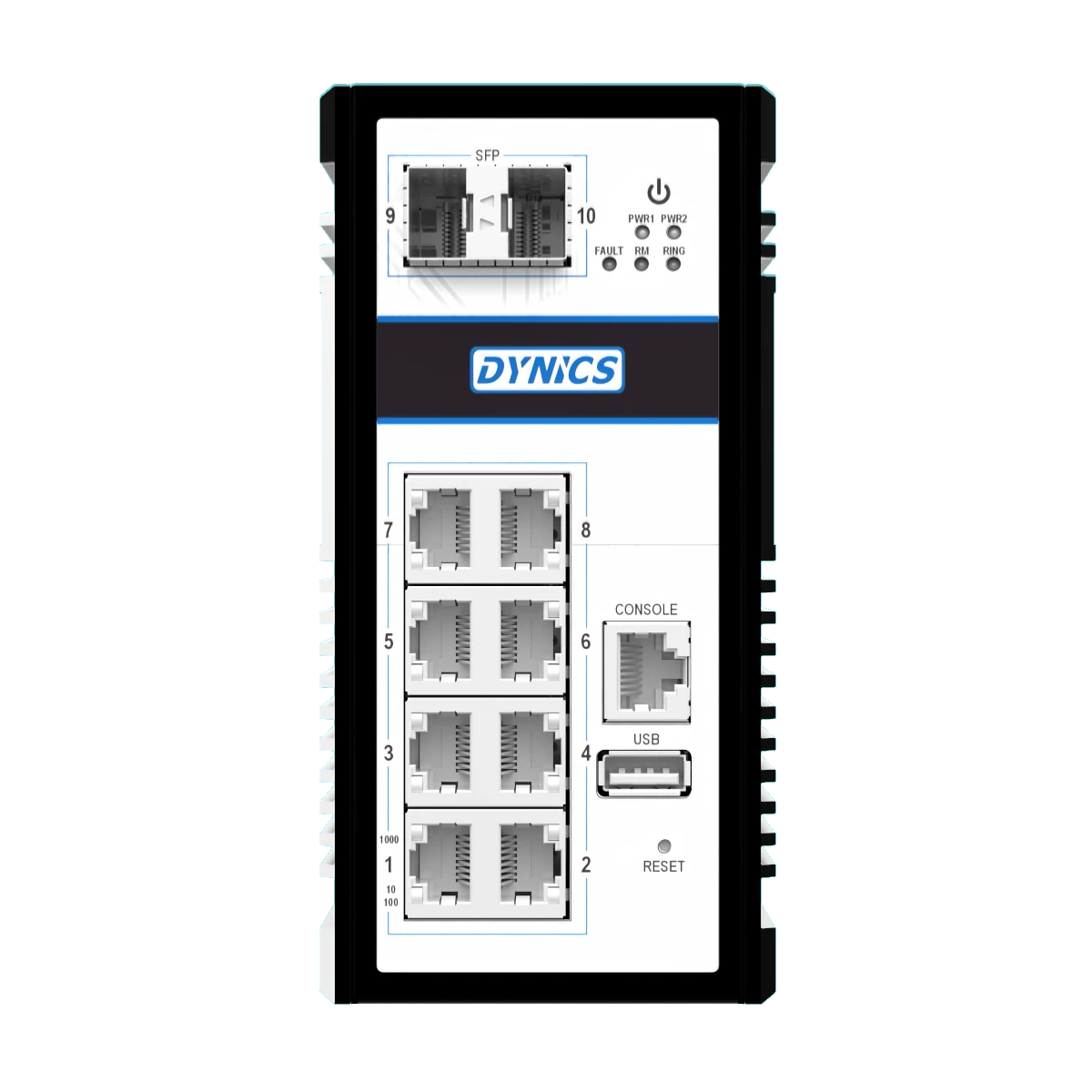
Substations, generation sites, and control rooms each put a different load on the equipment inside them. ICS360.Defender reads the OT protocols these sites actually run, including DNP3 and Modbus, and checks traffic against what the process is supposed to be doing rather than against an IT rulebook. For the equipment itself, hazardous location computers and power management hardware hold up in enclosures where temperature swings and vibration would end a commercial PC. The same units carry grid automation and distribution automation workloads at the edge, where a control decision cannot wait on a round trip to a data center.
Supporting NERC CIP compliance across your OT estate
The North American Electric Reliability Corporation Critical Infrastructure Protection standards, known as NERC CIP, set the security controls that bulk electric system operators answer for at audit. They cover asset identification, access control, system monitoring, and incident reporting across operational technology. Dynics hardware and OT security products support environments requiring compliance with NERC CIP, and our engineers work to the same maintenance windows your operators do. Our breakdown of CIP-015-1 and internal network security monitoring covers what changed and when enforcement begins.
Energy cybersecurity questions we get from utility teams
What is the role of cybersecurity in the energy sector?
It keeps the control systems behind generation, transmission, and distribution running as intended. Energy cybersecurity differs from office IT security because the systems it protects cannot simply be patched and rebooted. Work has to fit maintenance windows, and a failed change can take a substation or a generating unit offline.
What are the main cybersecurity threats to utilities?
Ransomware that reaches OT through a connected business network, remote access left open for a vendor or contractor, flat networks that let an intruder move from one substation device to the next, unmonitored protocol traffic such as DNP3 and Modbus, and equipment running firmware no longer supported by its maker.
Do Dynics products support NERC CIP compliance?
Yes. Dynics industrial computers and OT security products support environments requiring compliance with NERC CIP. The standards apply to the operator rather than to any single product, so our role is supplying equipment and controls that hold up under audit and working to your maintenance schedule.
Can industrial computers run in a substation enclosure?
Standard commercial hardware usually cannot. Substation and field enclosures see wide temperature swings, vibration, and dust that end a typical PC early. Dynics builds fanless and hazardous location units for those conditions, along with power management hardware that rides through the supply interruptions these sites see.
Why energy teams buy from a manufacturer, not a reseller
Dynics has built industrial computing hardware in Ann Arbor, Michigan since 1997. The people who design your equipment are the people who assemble it and answer the phone when a substation site has a question.
Built in Ann Arbor since 1997
Designed, fabricated, and assembled at our Michigan headquarters. Every product we assemble is made in America.
75 years of combined engineering
Our engineers carry more than 75 years of combined expertise across computer systems, display integration, systems design, and fabrication.
Three quarters of our team builds
More than three quarters of our staff work directly on product development, design, assembly, and service rather than in overhead roles.
Hardware and OT security together
We build the industrial computers and the OT security suite that protects them, so no one has to close an integration gap between two vendors.
Supporting environments that require compliance with NERC CIP, BAA, and IEC 62443
Talk to someone who has specified this equipment before
Tell us what the site runs, which protocols are on the wire, and what your audit calendar looks like. We will come back with a configuration and a price rather than a brochure. If you already buy through a system integrator, we will point you to the partner covering your region.
